The Annunciation Convent in Morsiglia
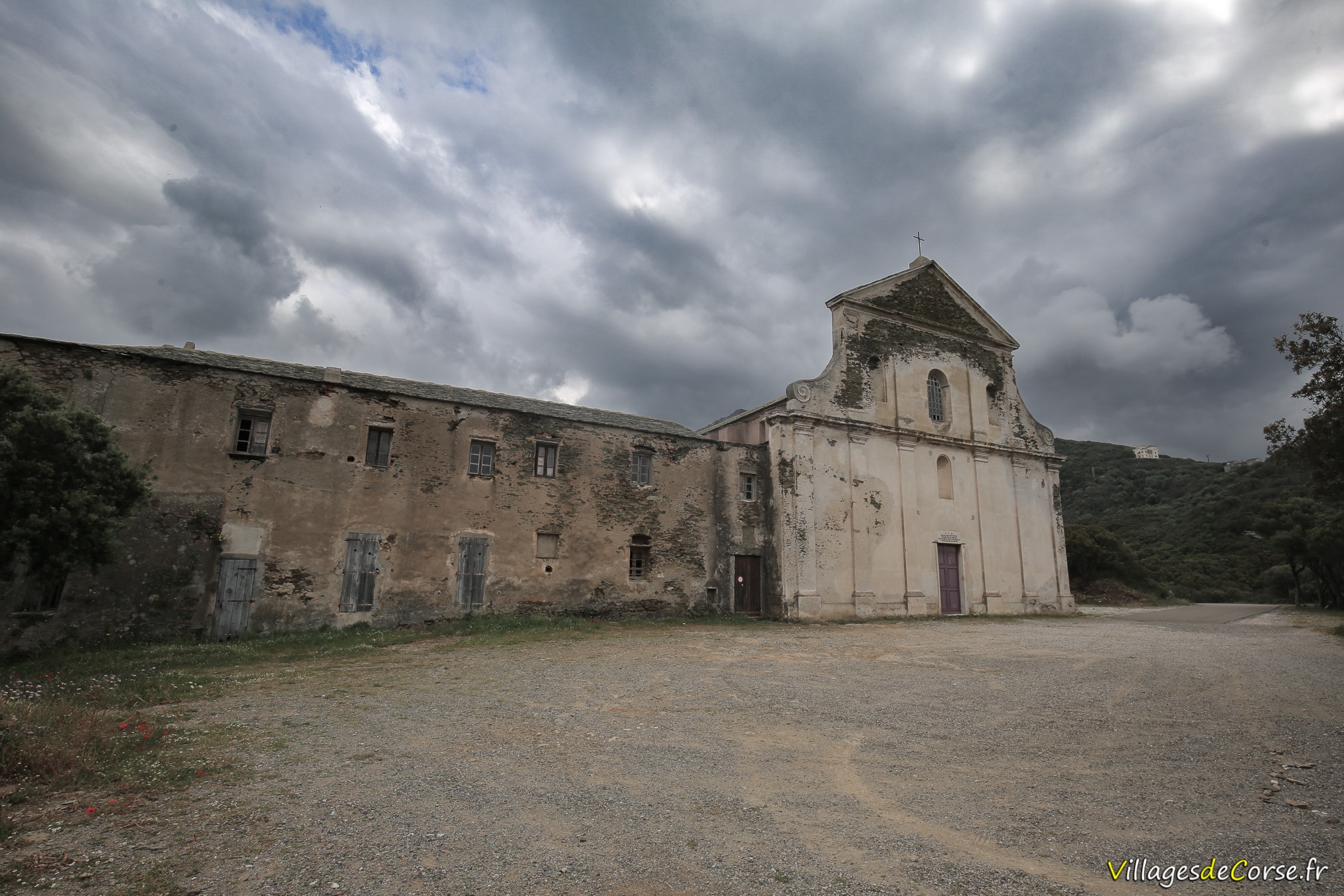
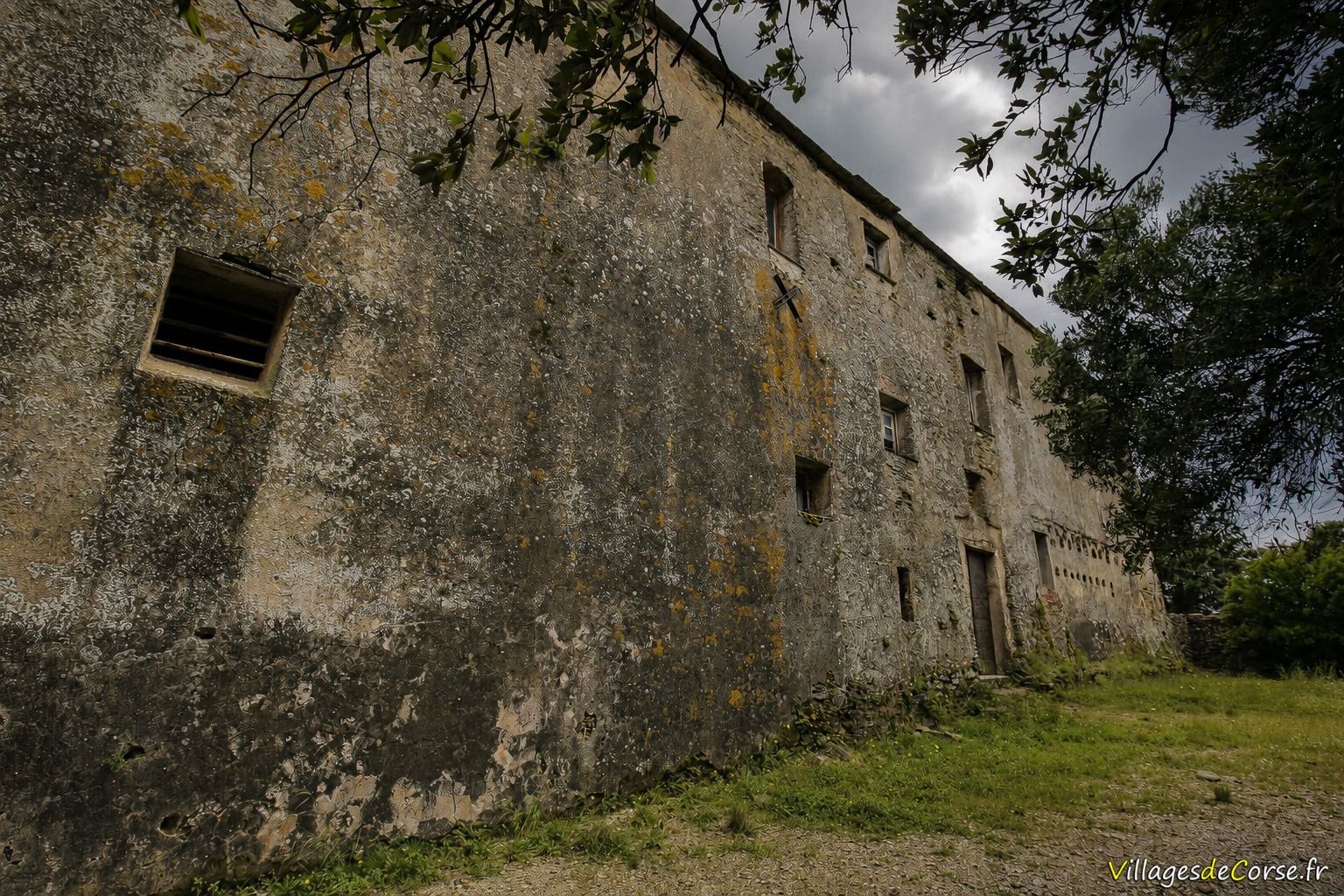
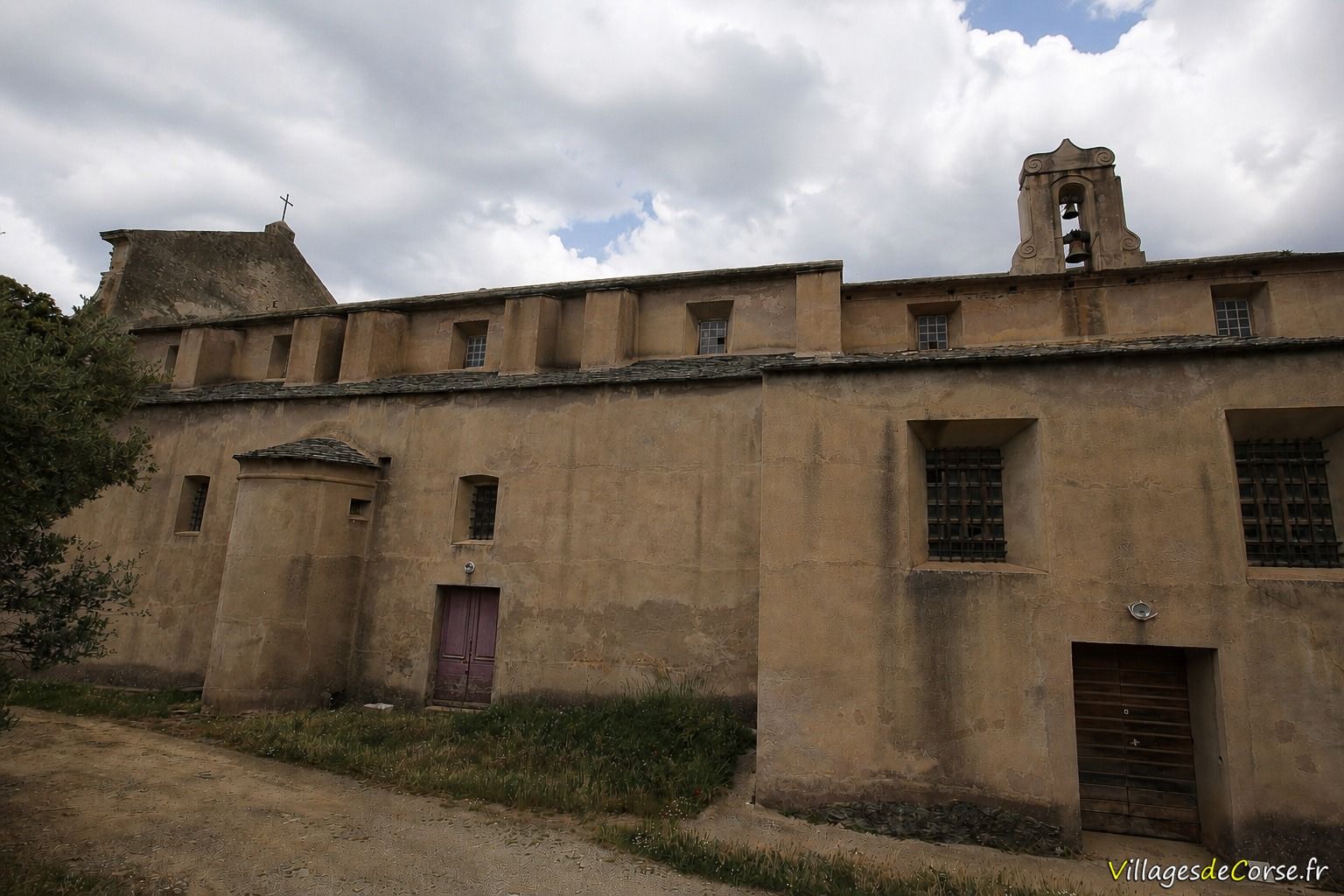
Less than 10 minutes from the port of Centuri, in the heart of a thick yeus grove on Cap Corse, the Annunciation Convent in Morsiglia appears almost suddenly at the turn of a small, isolated road. Far from the villages and hustle and bustle of the coastline, this former 15th-century monastery exudes a singular atmosphere, at once peaceful, austere and mysterious.
Founded in 1479, it is one of the oldest monasteries in Corsica. Despite fires, looting, periods of abandonment and the centuries that have marked its stones, the convent still seems to stand the test of time with an astonishing presence.
An isolated convent close to the coast
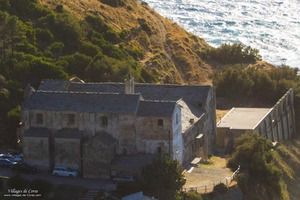
The convent belongs to the commune of Morsiglia, even though it's in the immediate vicinity of the port of Centuri. Situated less than a kilometer from the sea as the crow flies, it was built on the plateau of a low coastal relief, sheltering it from noise and view, giving the impression of solitude felt here.
The convent site forms a vast quadrilateral measuring approximately 30 by 30 metres, organized around an almost cloistered inner courtyard, which further reinforces the feeling of withdrawal from the world.
A monumental façade marked by time
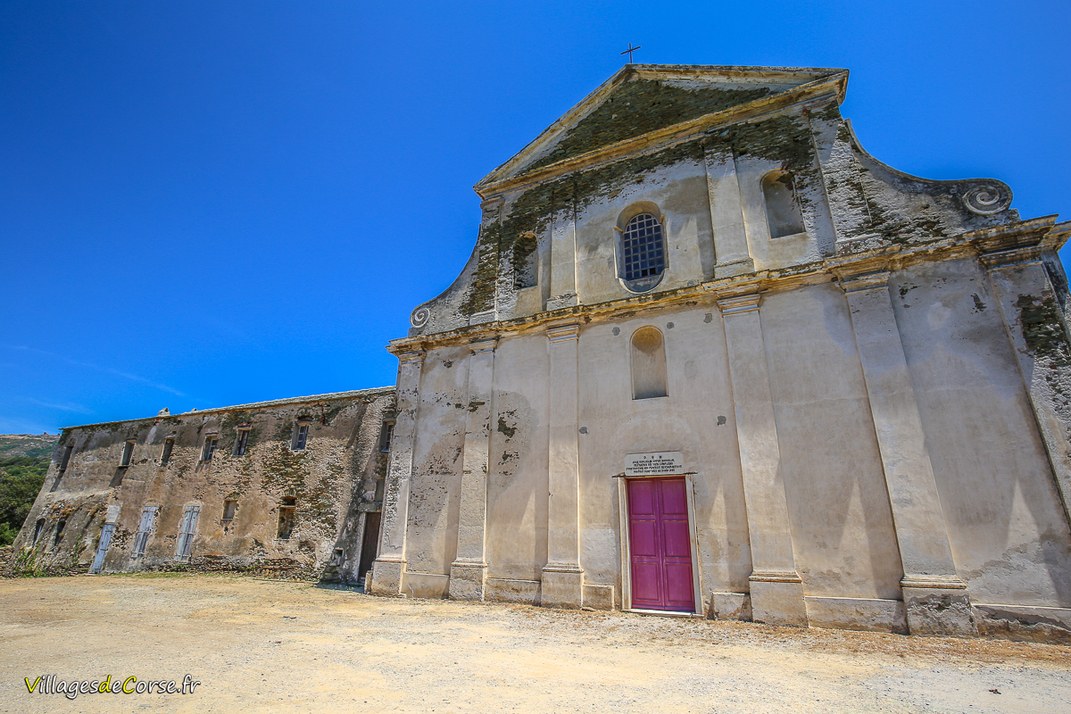
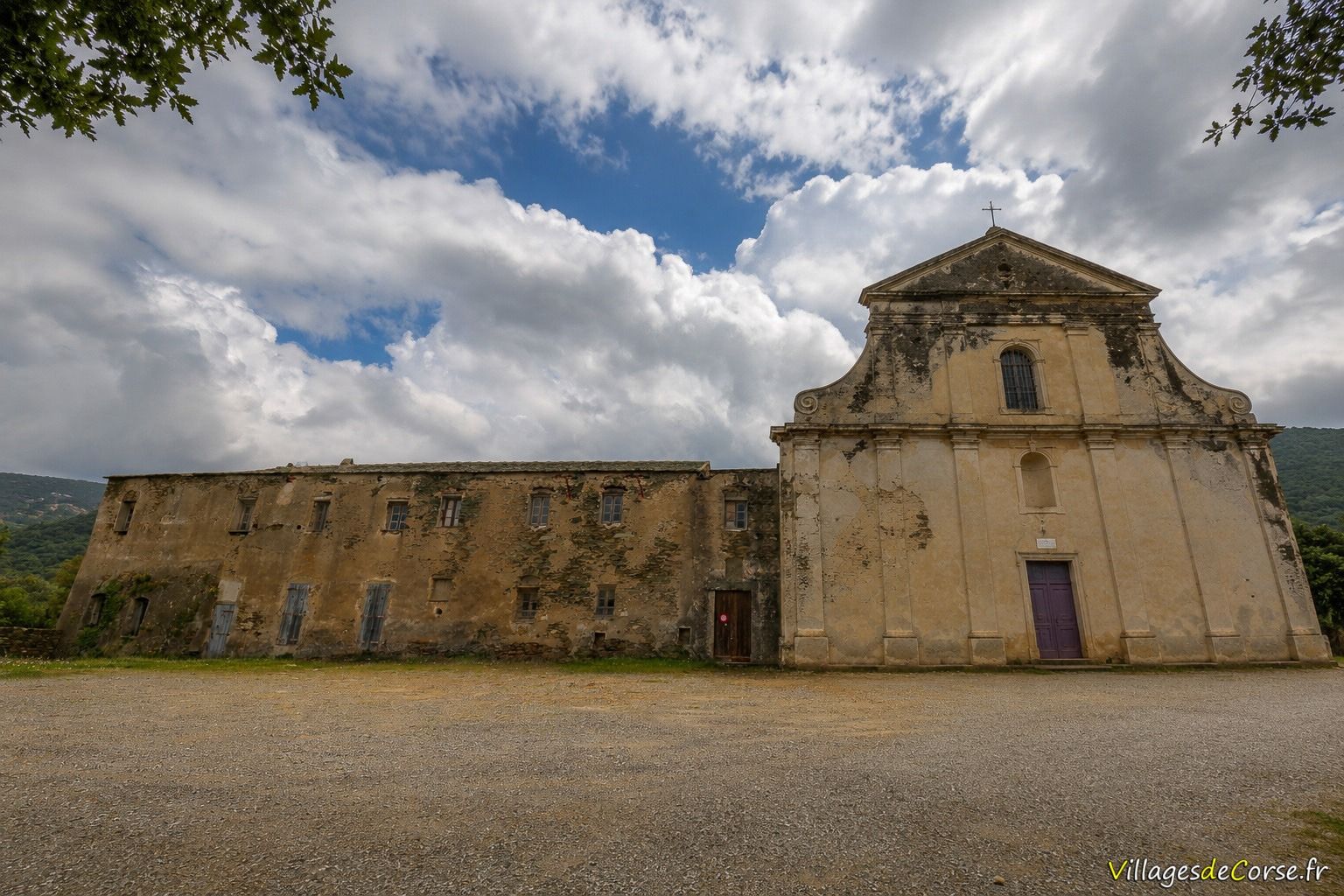
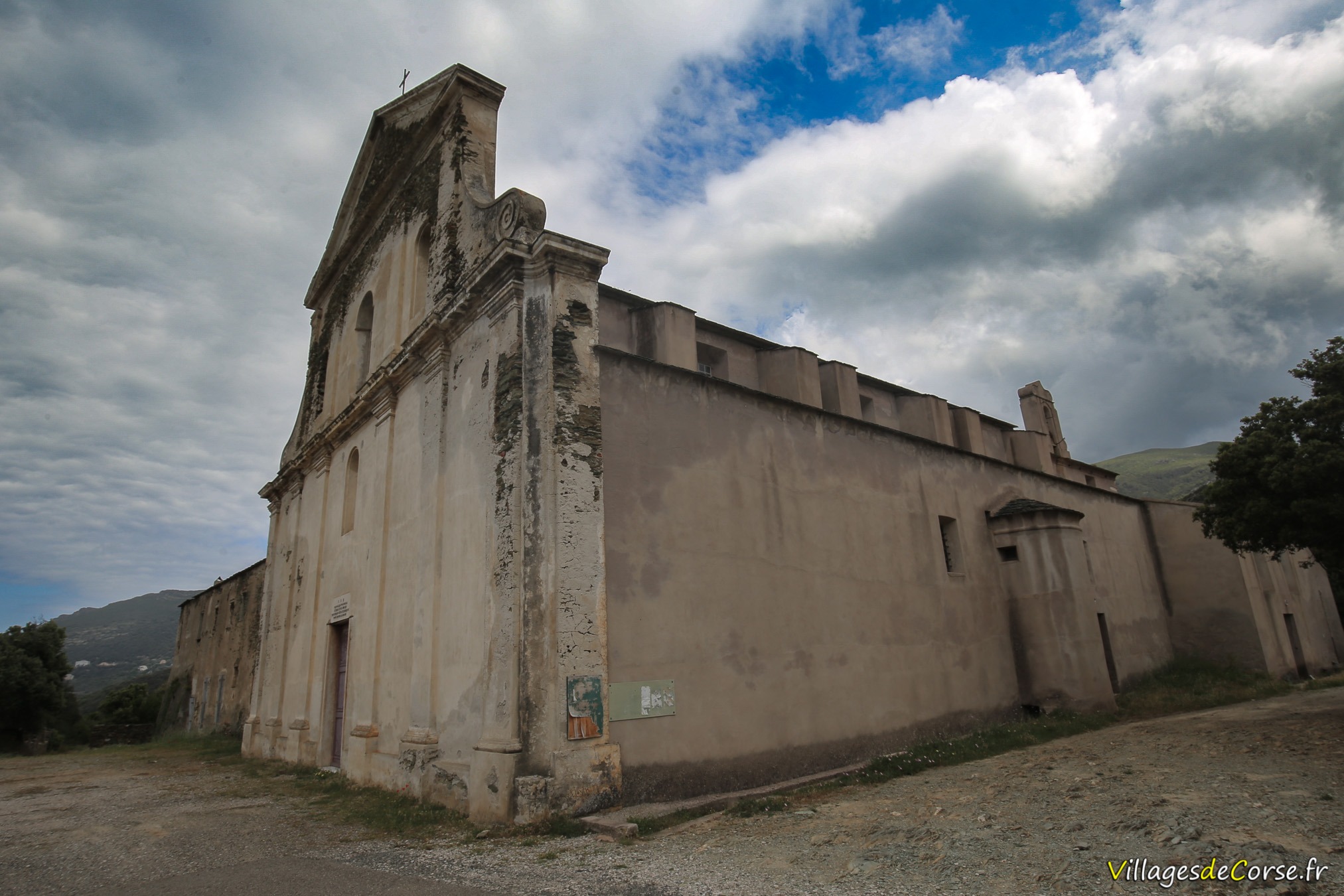
The convent's church, added around 1600, impresses by its size and the particular condition of its façade. Worn renderings, stones that have reappeared under old layers and traces left by damp give the building a profoundly authentic character.
Distinguishable for the convent's exposed stonework, it bears the marks of the wind and weather of Cap Corse.
A double bell tower
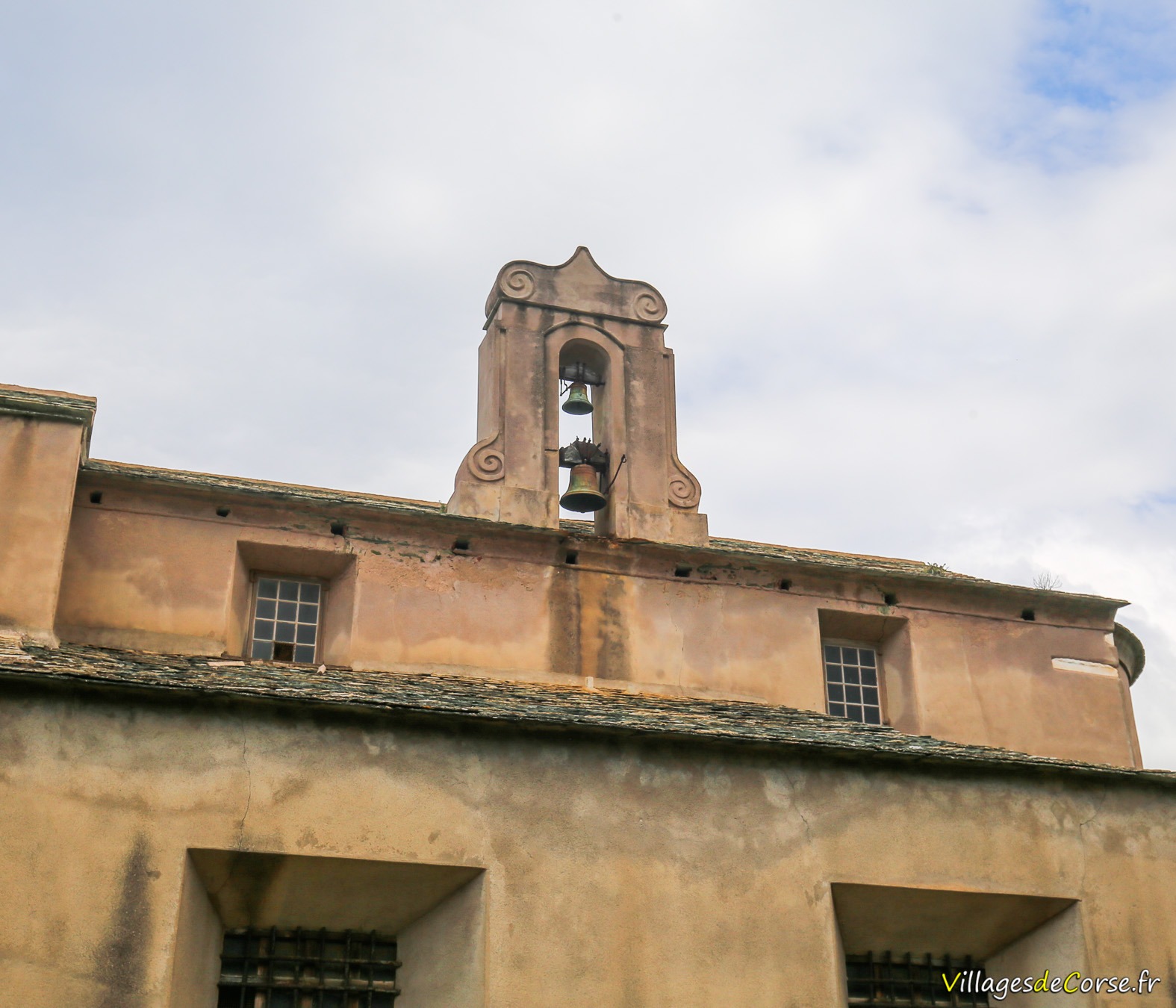
One of the convent's most striking features is its side bell tower, set slightly back on the side of the building.
The storied history of the Convent of the Annunciation
For more than five centuries, Morsiglia's Convent of the Annunziata has weathered the test of time, alternating between periods of prosperity, destruction, restoration and abandonment. Its history remains deeply linked to that of the people of Morsiglia and Centuri, who have long maintained a special attachment to this isolated religious site on Cap Corse.
- 1479 - Foundation of the convent
The convent is founded by the people of Morsiglia and Centuri, who together begin its construction. When the work was nearing completion, a delegation of notables from both villages travelled to Florence to obtain the arrival of religious from the Order of the Servites of Mary. The Florentine monks then took possession of the monastery and introduced their devotions in this new church dedicated to the Annunciation: "A Santissima Annunziata".
- 1557 - Presence of a regal organ
Archives mention the presence of a regal organ in the convent as early as the mid-16th century, proof of the monastery's spiritual and cultural importance at the time.
- 1560 - Pillage by the barbarians
The convent was plundered during the barbarian raids that regularly hit the Corsican coast. The building was then rebuilt and enlarged thanks to donations from the inhabitants of Morsiglia and Centuri, who played an active part in its rebirth.
- 1600 - Extensions and pilgrimage facilities
New extensions were built to accommodate more pilgrims. The present church was added at this time. The Convent of Morsiglia became one of the largest and richest religious establishments in Corsica. The Vicar General of the Order even resided there for a time.
- 18th century - Construction of the present church
Construction of the present church began around 1775. Embellishment and decoration work continued until the end of the 19th century.
- 1749 - Extension of convent buildings
The convent buildings are considerably enlarged to increase the monastery's accommodation and living space.
- 1792 - Expulsion of the monks
During the French Revolution, the monks are expelled for the first time. The convent then became the property of the commune of Morsiglia.
- 1828 - The convent is put up for sale
After several years of neglect and uncertainty, the building is officially put up for sale.
- 1873 - 1903 - Return of the monks
The convent is leased to the Capuchins of Bastia. During this period, the present access road is opened to facilitate access to the monastery.
- 1896 - Restoration of the façade
A major restoration campaign led to the rebuilding of the church's facade and numerous embellishments. A Latin inscription above the door recalls this restoration.
- 1903 - Law of Separation
Following the Law of Separation of Church and State, the monks are expelled a second time and leave the convent for good.
- 1914 - 1918 - Internment camp
During the First World War, the convent was transformed into an internment camp for Austro-Hungarian and German civilian prisoners.
- 1927 - Holiday center
The monastery is leased to the Association des Étudiants de Strasbourg, which sets up a vacation center.
- 1933 - Reopening for worship
The church is restored and reopened for worship.
- 1990 - Modern restoration work begins
Major restoration work is undertaken on the church, which is now desanctified. However, masses are still celebrated here on exceptional occasions.
A rehabilitation project is then envisaged to transform the site into a research and study center devoted to architecture, the plastic arts and the environment. Exhibitions and cultural events are also organized there.
- January 24, 1995 - Monument Historique protection
The Annunziata Convent and its church are listed on the supplementary inventory of Historic Monuments.
A Latin inscription above the doorway
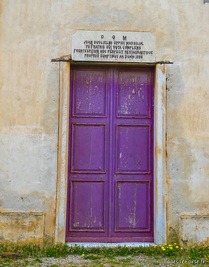
Above the main door of the church is a Latin inscription dated 1886:
D.O.M.
JOAN GUGLIELMI OPPIDI MORSILIAE
PII FRATRIS SUI VOTA COMPLENS
FRONTESPITIUM HOC PERFECIT RESTAURAVITQUE
PROPRIIS SUMPTIBUS AN DOMINI 1886
It could be translated as follows:
"To God most good and most great. Jean Guglielmi of Morsiglia, fulfilling the wishes of his pious brother, completed and restored this façade at his own expense in the year of the Lord 1886."
It testifies to the attachment of Capcorsin families to this religious site and the role played by local residents in its upkeep over the centuries.
Inside the convent
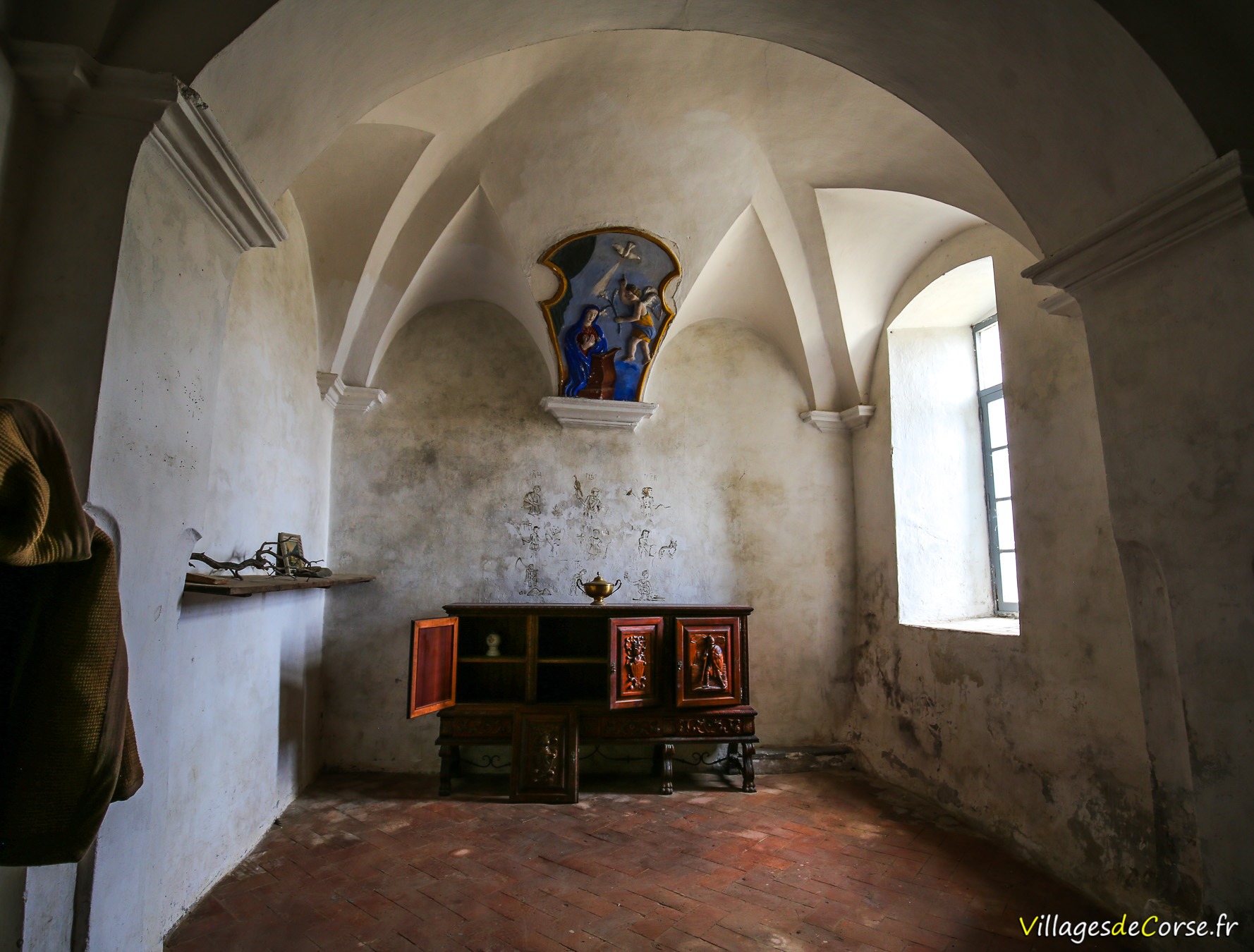
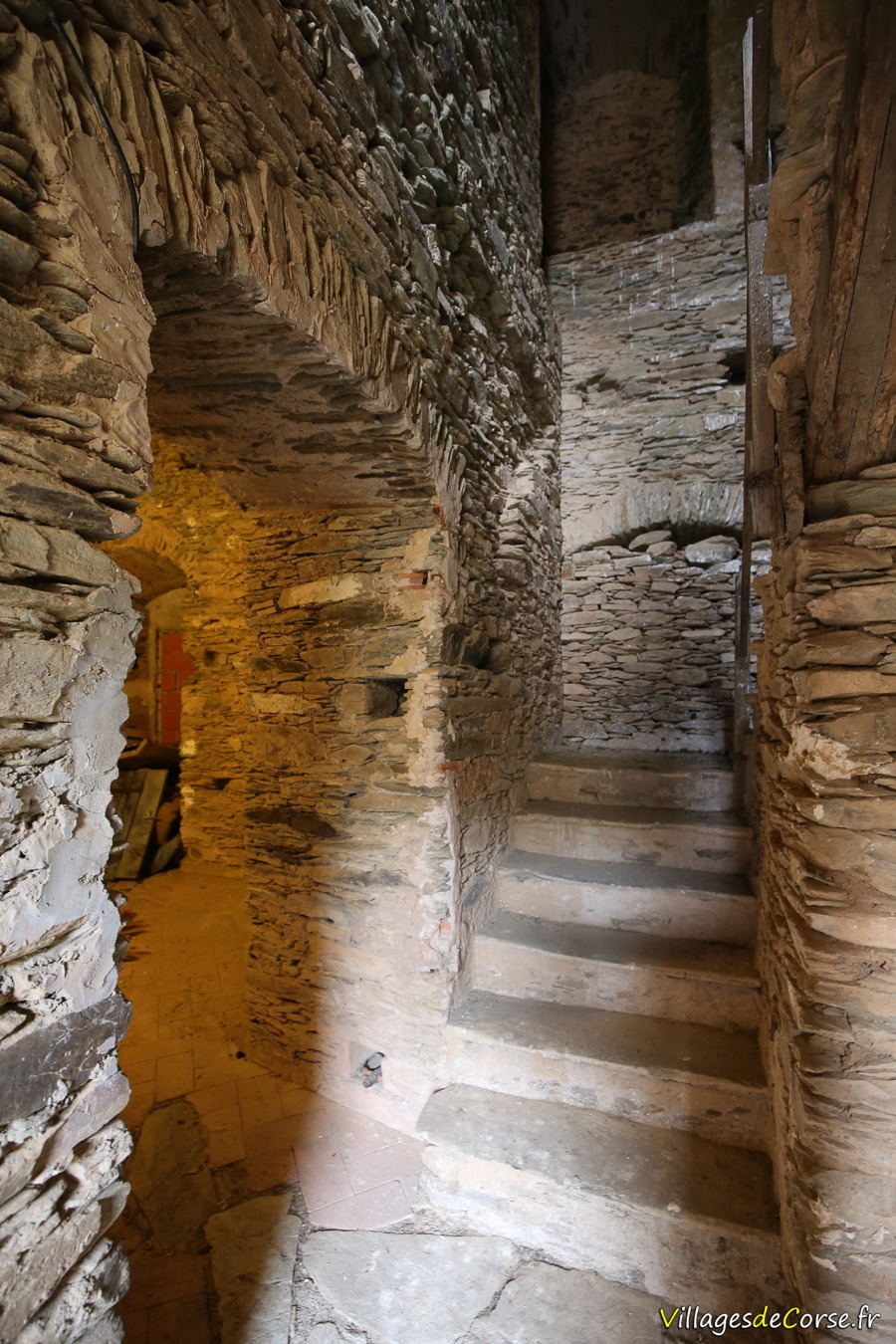
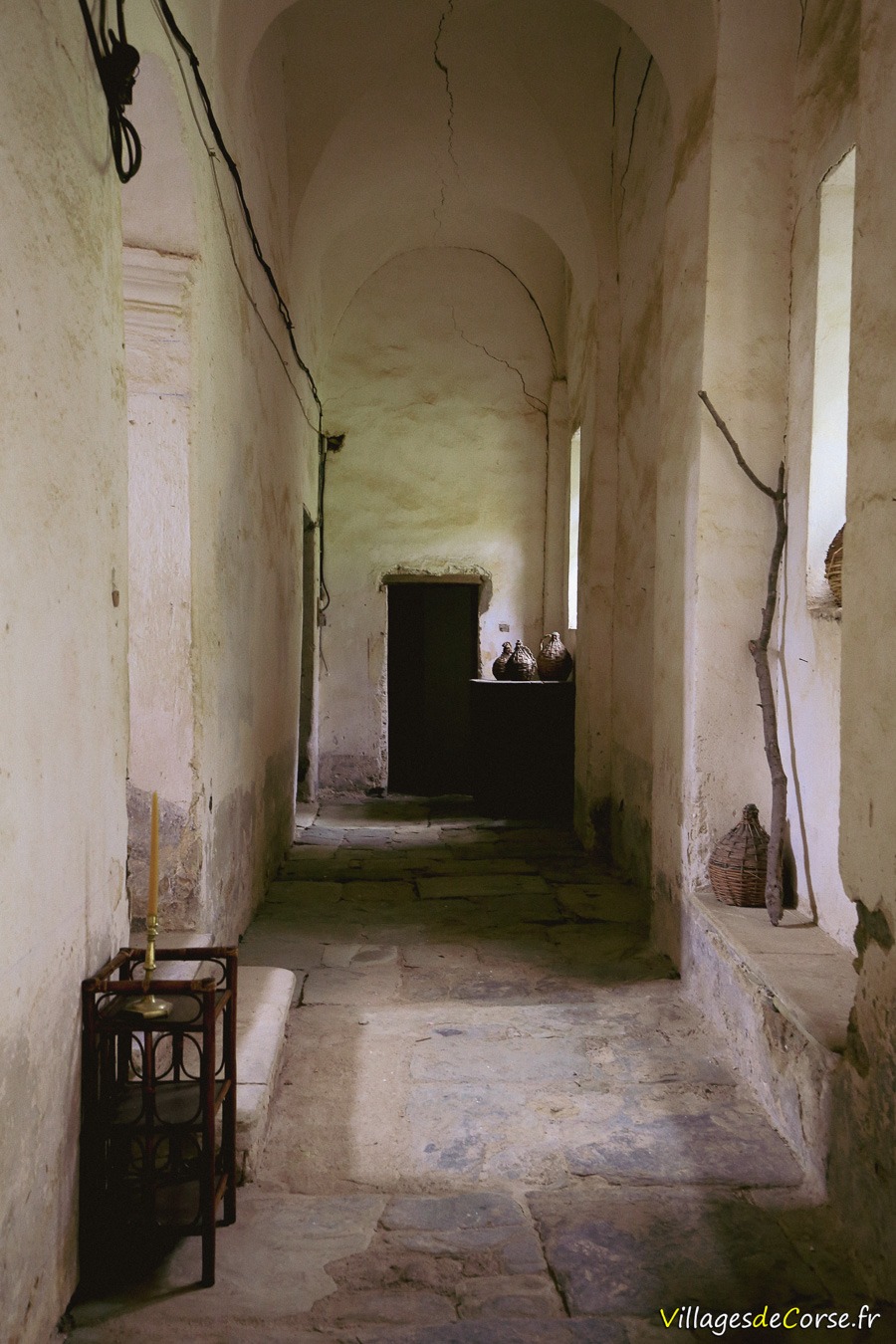
This historic monument is closed and inaccessible to the public except on certain days of art or history exhibitions.
Inside, the architecture is sober and profoundly monastic, with thick walls and imposing corridors both long and high. Ancient floors, stone staircases, vaulted ceilings and austere cells recall the daily life of the monks who once occupied the premises.
Some rooms still feature religious frescoes depicting saints and pious scenes. Despite the wear and tear of time, the colors remain visible, reinforcing the silent atmosphere of the monastery.
The inner courtyard, surrounded by stone buildings and galleries, gives an idea of how the monastery was organized in its heyday.
A place of silence and mystery
The Convent of the Annunziata is not a spectacular monument in the classical sense. Its strength lies elsewhere: in its isolation, in its worn stonework, in the light from Cap Corse that glides over the ancient facades, in its silent corridors and in the lingering impression that time has stood still.
A deeply Corsican place, discreet and fascinating.