A Corsican product par excellence, Corsican charcuterie is often at the forefront of island gastronomy. What are the special features that make it so unique, and how do you choose it?
Corsican pigs - Porcu Nustrale
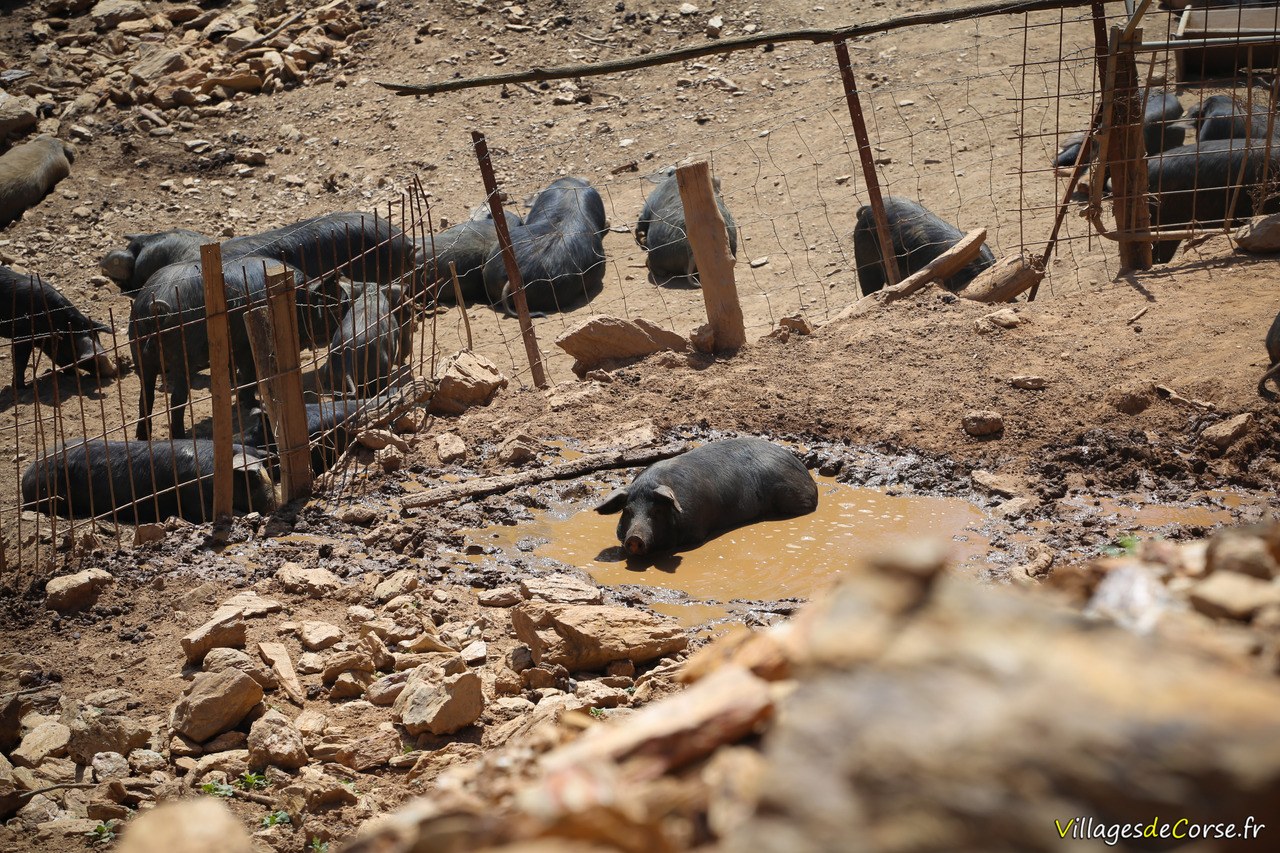
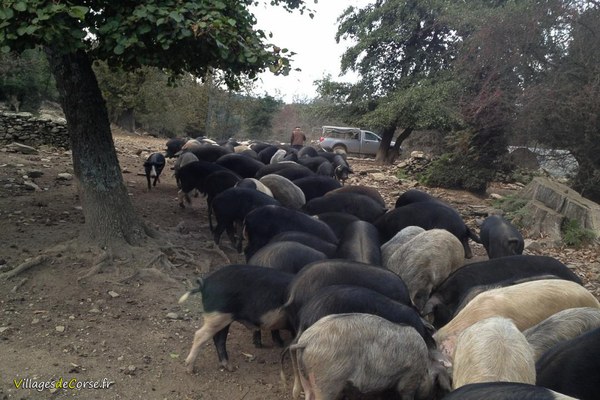
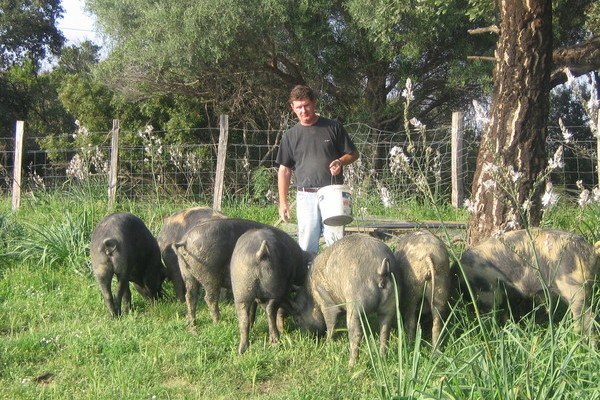
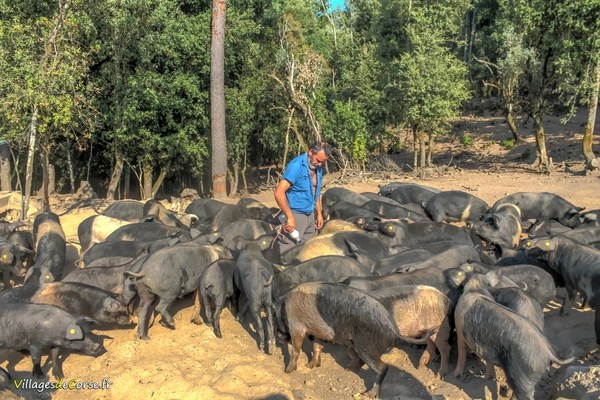
First and foremost, the main protagonist is the Corsican pig breed or porcu nustrale, the Corsican pig breed par excellence. As well as being born and bred in Corsica, this black pig - u porcu neru - has been shaped by centuries of presence on the island, hence the typicality induced by the Corsican pigs - Porcu Nustrale. Threatened with extinction by crossbreeding with other pig breeds, the island breed owes its survival and recognition to a group of committed breeders.
List of Corsican charcuterie
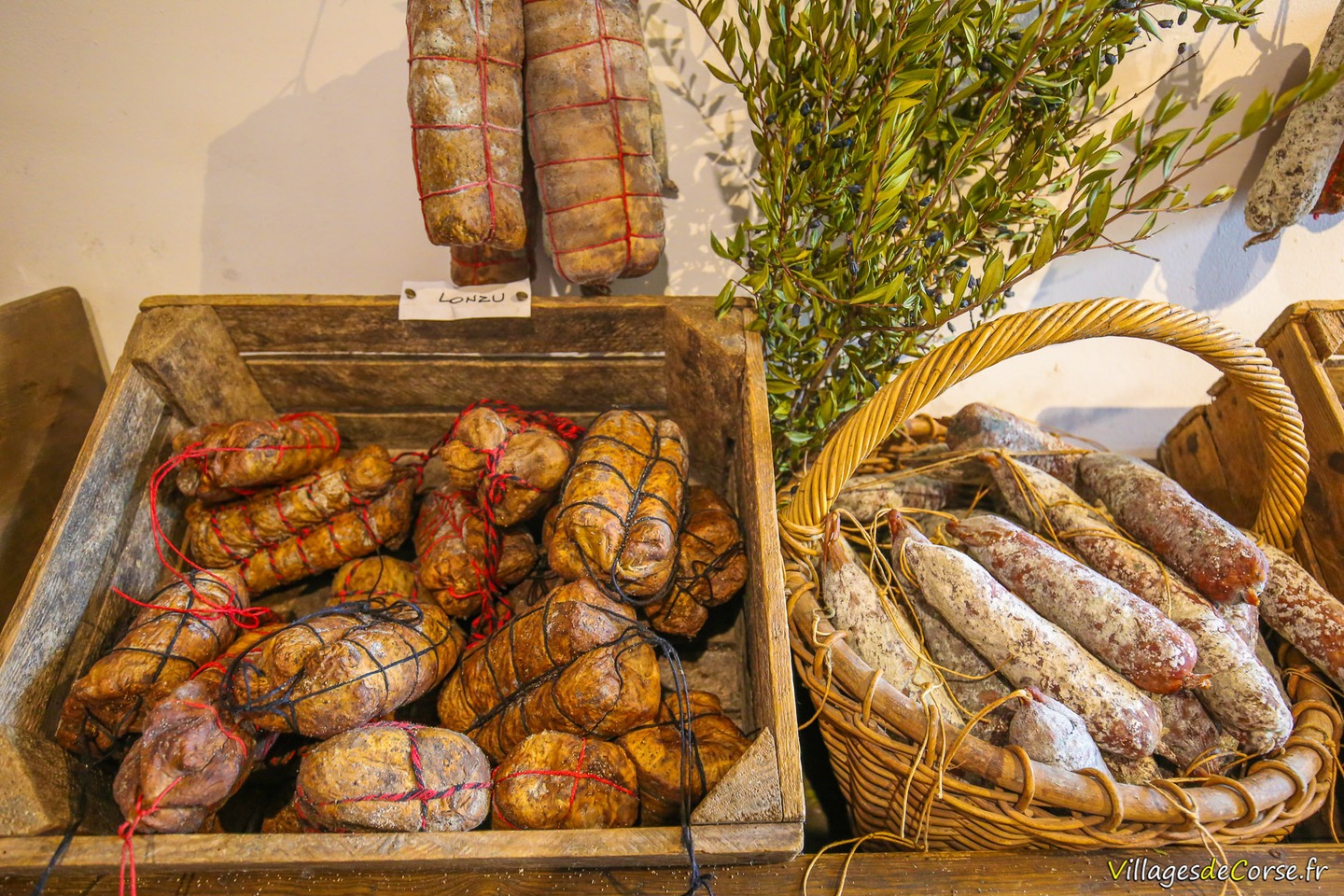
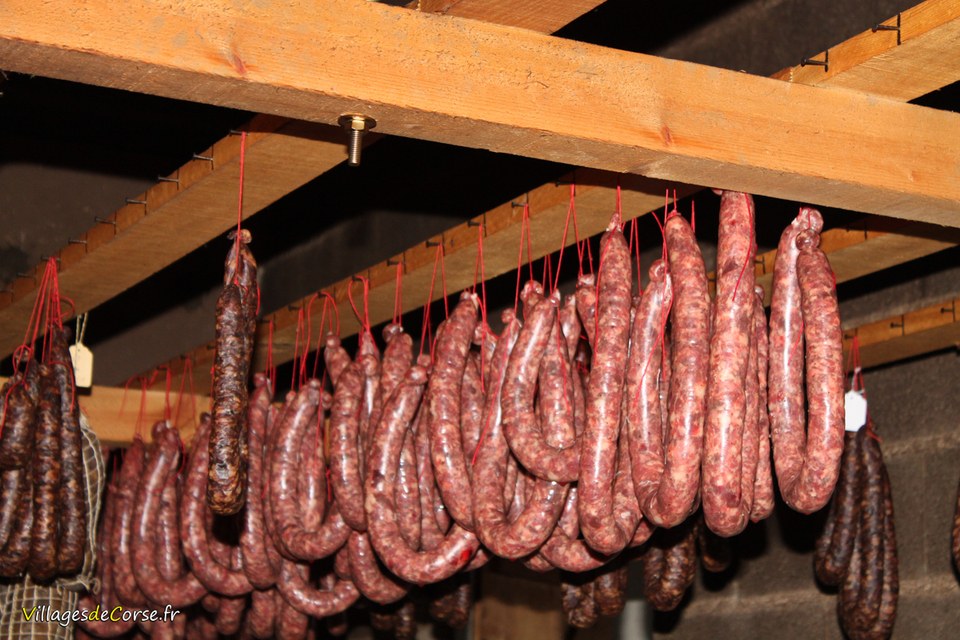
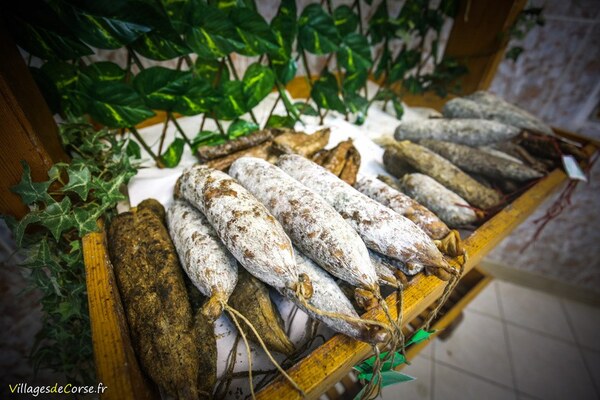
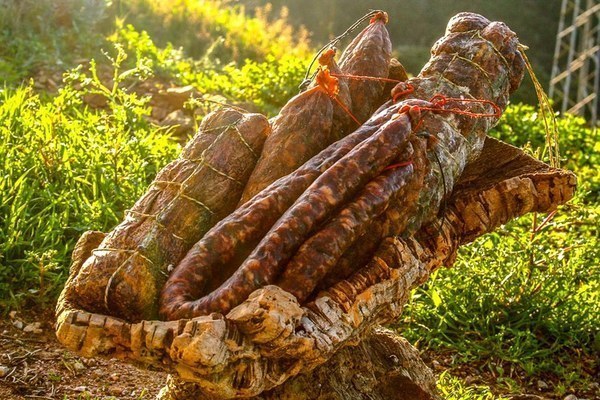
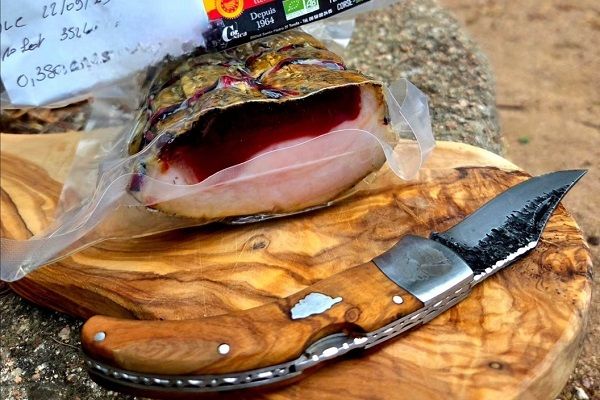
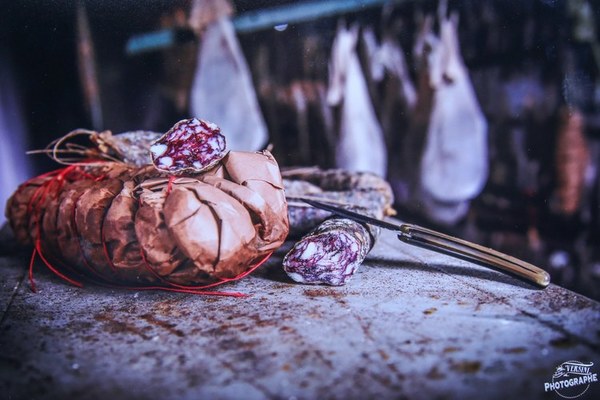
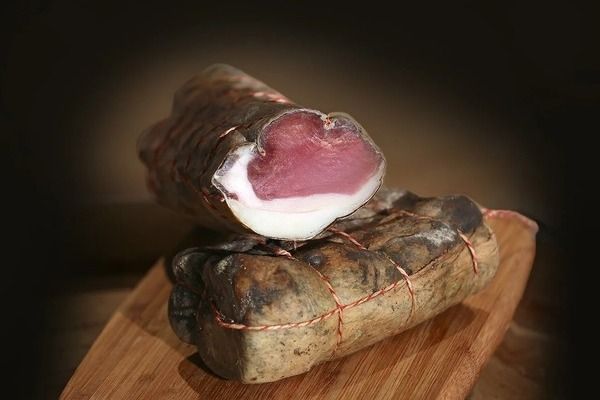
Corsican charcuterie traditionally includes sausage, coppa, lonzu, figatellu in winter, as well as prisuttu, fromage de tête, panzetta, and even preserves. Discover everything you need to know about Corsican charcuterie, their production periods, and how they are made. Focus on ancestral know-how for an artisanal production.
PDO/AOC charcuterie and traditional charcuterie
Below, you will find breeders and producers of PDO Corsican charcuterie and traditional Corsican charcuterie, with the possibility of visiting their farms and pig breeding facilities.
PDO charcuterie is subject to standardization, which implies the use of defined materials, particularly for maturing, specific proportions, and production methods outlined in a specifications document, whereas traditional charcuterie can be more nuanced, depending on traditions that vary slightly from one village to another and more markedly from one region to another. See more details about the PDO Corsican charcuterie charter, which you can also find online.
In short, know-how passed down from generation to generation, with farms that remain mostly family-run.
How to choose your charcuterie?
To identify genuine Corsican charcuterie, as with any food product, there's no secret—you need to trust your senses and have some knowledge. Whenever possible, the ideal approach is to meet the breeder, immerse yourself in the expertise, discover the profession while establishing a relationship of trust, and observe the pigs, which will indicate whether they have truly been raised in Corsica. Since visiting farms is not always feasible, the second option is to recognize the markers of traditional Corsican charcuterie and gather the necessary information to make the right choice.
What should I serve Corsican charcuterie with?
A good charcuterie stands on its own and is rarely used in recipes. Its best companion is bread, and many restaurants offer an assortment of raw charcuterie as a starter, with, in order of importance, saucisson, coppa, lonzu, and prisuttu (Corsican ham). Charcuterie is also commonly enjoyed with Corsican cheese, particularly during tastings, accompanied by a good red wine. Figatellu, on the other hand, features in several traditional Corsican dishes, served with lentils or pulenta as a winter dish. Panzetta is often used for its fat, much like salted pork.
Traditional Corsican charcuterie does not use nitrites
Many concerns have been raised following the classification of nitrites as a carcinogen. This preservative, used for years in the food industry, has recently put charcuterie in the spotlight.
Traditional Corsican charcuterie, however, is preserved with salt and pepper, two natural ingredients. These are salaisons that undergo a long maturation process. Some more industrially produced charcuterie products use nitrites as preservatives, allowing for faster production. Be sure to check the labels for the presence of salt and pepper and the absence of codes such as E250, E249, or saltpeter in the ingredients. Find out more about Corsican charcuterie preservation methods.
Where can I buy genuine Corsican charcuterie?
Through the addresses listed below, which we visit every year, discover a comprehensive list of breeders and producers of artisanal or PDO Corsican charcuterie, along with photos and videos of pig farms and charcuterie production.